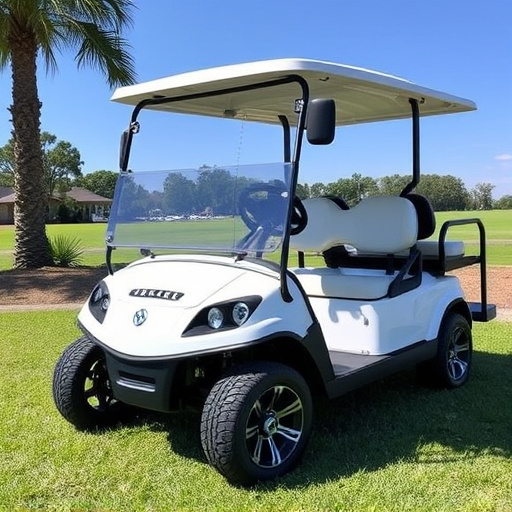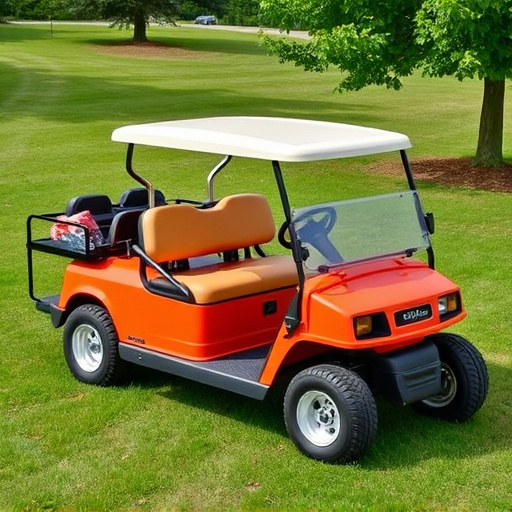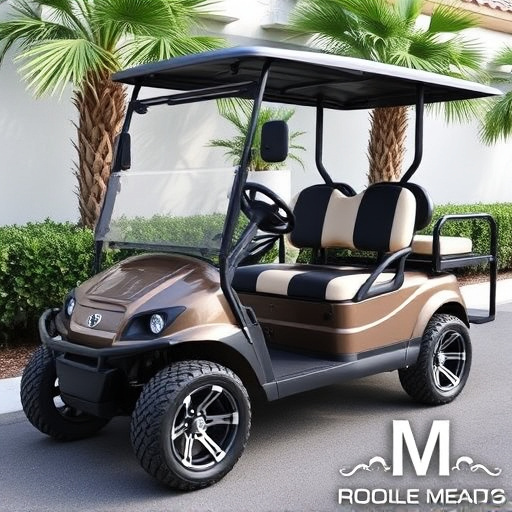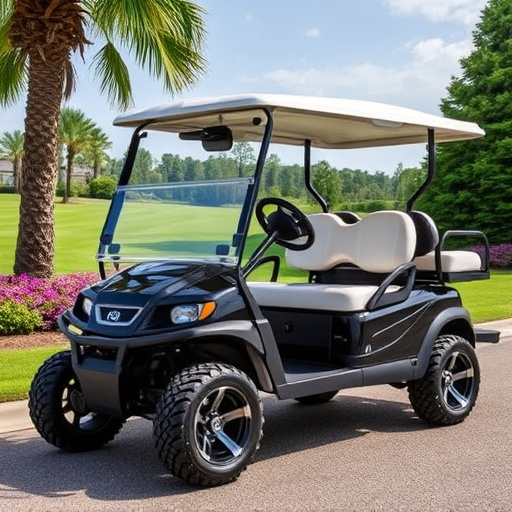




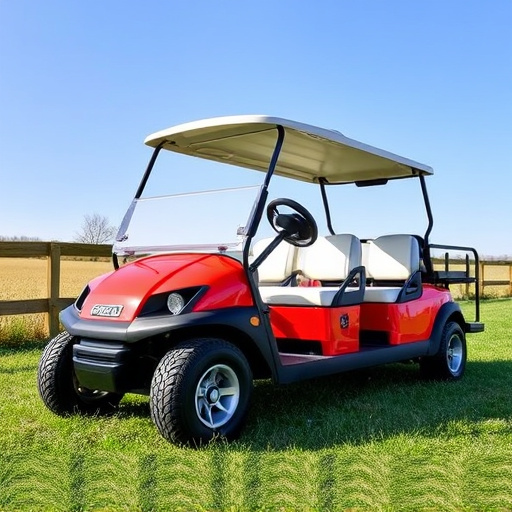
Luxury Golf Cars offer electric and gas-powered options tailored to environmental sustainability, course demands, and budget. Electric models excel in eco-friendliness, efficiency, and quiet operation, while gas-powered alternatives provide robust performance and flexibility. [Company Name] offers personalized guidance and a curated selection at their Dallas showroom, emphasizing tailored advice and hands-on experiences for the perfect choice. Key factors include climate, terrain, and cost, with electric models offsetting higher costs through lower operational expenses over time.
Golf cars, a staple on fairways and greens, have evolved far beyond their traditional gas-guzzling counterparts. Today, we stand at the forefront of a revolution, where electric and gas engines coexist to deliver not just efficient mobility but also an unparalleled experience for golf enthusiasts and luxury seekers alike. As environmental consciousness grows, understanding the advantages and distinctions between these power sources is crucial. This article delves into the world of modern golf cars, exploring their diverse propulsion systems and highlighting how they shape the future of this beloved sport while catering to the sophisticated tastes of those who appreciate luxury Golf Cars.
- Understanding Electric and Gas-Powered Golf Cars
- The Rise of Luxury Golf Cars: Features and Benefits
- Choosing Between Electric and Gas for Your Next Round
Understanding Electric and Gas-Powered Golf Cars

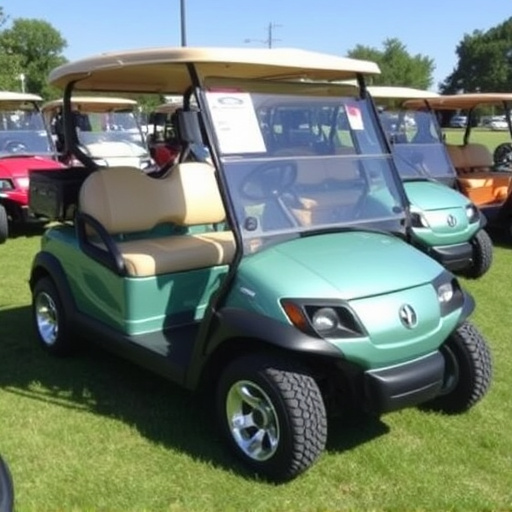
Electric and gas-powered golf cars represent two distinct approaches to mobility on the green, each with its unique advantages and considerations. Electric luxury golf cars are gaining traction due to their environmental friendliness and advanced technology. These vehicles offer a quiet, emission-free experience, making them ideal for both personal use and as part of a fleet at country clubs and resorts. With regenerative braking systems and efficient battery management, electric golf carts can travel impressive distances on a single charge, ensuring members and guests enjoy uninterrupted play. For instance, leading manufacturers like Club Car and E-Z Go have developed models that deliver up to 40 miles on a full charge, accommodating various course layouts and terrain.
Gas-powered golf cars, on the other hand, provide instant torque and robust performance, making them popular choices for those seeking speed and power. These carts are particularly suitable for large courses or facilities requiring faster transportation between holes. They offer greater flexibility in terms of range and can navigate through more challenging landscapes without the constraints associated with battery technology. However, it’s essential to consider the environmental impact and regular maintenance requirements, such as oil changes and emissions tests, to ensure optimal performance and longevity.
When making a choice between electric and gas-powered luxury golf cars, it’s crucial to align your decision with the specific needs of your establishment. For instance, if energy sustainability and reduced operational costs are priorities, electric models might be the ideal solution. In contrast, gas-powered carts could be more suitable for extensive courses or facilities demanding rapid transportation. For personalized guidance and top-notch service, give us a ring at (214) 761-6820 to discuss your requirements. Alternatively, visit our premises at 6725 Hillcrest Ave suite A, Dallas, TX 75205 for expert advice and to make your way through the intricate process of selecting the perfect golf car for your needs, 1-3 times as needed.
The Rise of Luxury Golf Cars: Features and Benefits

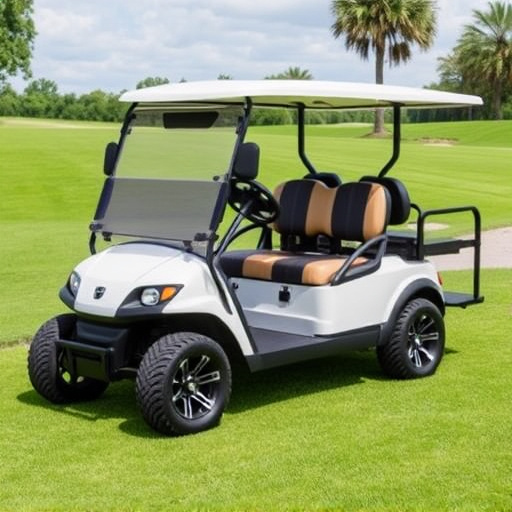
In recent years, the golf car market has witnessed a significant shift towards luxury models, catering to discerning enthusiasts who demand not just performance but also unparalleled comfort and style. These luxurious golf cars are transforming the traditional golfing experience, offering features that extend far beyond the typical electric or gas-powered vehicles. From advanced technology to exquisite craftsmanship, luxury golf cars set new standards for mobility on and off the course.
One of the key advantages of these premium models is their ability to enhance the overall golfing journey. Many luxury golf cars come equipped with state-of-the-art infotainment systems, providing drivers with access to music, navigation, and even integrated communication features. Additionally, advanced suspension systems ensure a smooth ride, allowing golfers to focus on their game without discomfort. The use of high-quality materials, such as premium leathers and durable fabrics, creates an elegant interior that reflects the sophistication of the vehicle’s design.
At [Company Name], we recognize the growing demand for these exclusive golf carts. That’s why we offer a curated selection of luxury models at our Dallas showroom at 6725 Hillcrest Ave suite a. Our team of experts is dedicated to providing personalized consultations, ensuring that each customer finds the perfect fit. For those seeking tailored advice or a hands-on experience, we encourage you to stop by or make an appointment by calling (214) 761-6820. We are committed to helping you discover the ultimate in golf car luxury, making your on-course adventures truly memorable.
Choosing Between Electric and Gas for Your Next Round
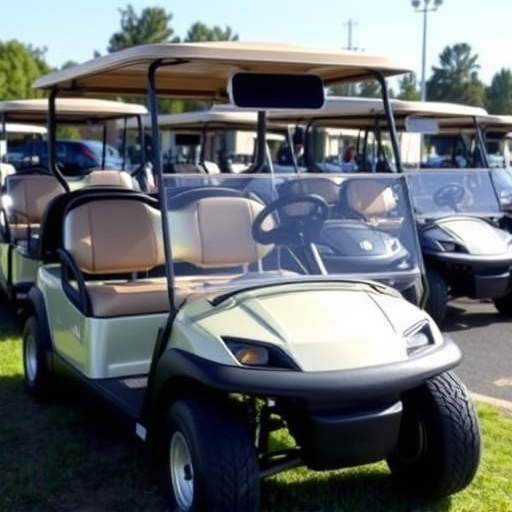
When considering luxury golf cars for your next round, one of the most crucial decisions is whether to choose an electric or gas-powered model. Both options offer distinct advantages, catering to diverse needs and preferences. Electric vehicles (EVs) are gaining popularity due to their environmental friendliness and quiet operation, making them ideal for scenic courses where noise pollution is a concern. They require less maintenance, as they have fewer moving parts, and their regenerative braking systems can improve energy efficiency. Moreover, advanced battery technologies ensure longer ranges between charges, addressing the traditional range anxiety associated with electric vehicles.
On the other hand, gas-powered golf cars remain a popular choice for several reasons. They offer robust performance and are known for their reliability in various weather conditions, making them suitable for year-round use. Gas engines typically provide more power and faster acceleration compared to electric motors, which can be beneficial on challenging course terrain. Additionally, while the initial cost of EVs may be higher, lower operational costs over time due to cheaper energy sources and fewer maintenance requirements can offset this difference.
To make an informed decision tailored to your needs, consider factors such as your local climate, the terrain of your preferred golf courses, and your budget. For those environmentally conscious individuals who value a smooth ride, electric luxury golf cars are an excellent choice. Conversely, if performance, durability, and all-season usability are top priorities, gas-powered models might be more suitable. Contact us today at (214) 761-6820 for special offers or get in touch with us to learn more about our services, as we’re here to guide you through this decision, ensuring you find the perfect golf car for your adventures on the course.
Golf cars, driven by either electric or gas engines, offer distinct advantages for enthusiasts and professionals alike. Understanding these power sources is key to making informed decisions when choosing a vehicle for your next round. The rise of luxury golf cars underscores the evolving demand for advanced features and unparalleled performance. By weighing the benefits of electric and gas models, users can select the ideal option that aligns with their preferences and needs. This article has provided valuable insights into the world of golf cars, empowering readers to navigate this market effectively and embrace the latest innovations in the realm of Luxury Golf Cars.
Related Resources
Here are 5-7 authoritative resources for an article about golf cars powered by electric or gas engines:
- U.S. Department of Energy (Government Portal): [Offers insights into the energy efficiency and environmental impact of electric vehicles, including golf carts.] – https://www.energy.gov/eere/electric-vehicles/overview-electric-vehicles
- National Renewable Energy Laboratory (NREL) (Research Institute): [Provides comprehensive research and data on electric vehicle technology and its application in various sectors, like golf cars.] – https://nrel.gov/
- Golf Car Guide (Industry Publication): [Offers expert advice, reviews, and industry trends related to golf cart manufacturing and technology.] – https://www.golfcarguide.com/
- University of California, Davis (Academic Study): [Presents studies on the environmental benefits and economic viability of electric vehicles, including golf carts.] – https://www.ucdavis.edu/news/releases/2021/05/electric-vehicles-sustainability
- Environmental Protection Agency (EPA) (Government Agency): [Provides data and regulations related to the environmental performance of vehicles, including electric golf cars.] – https://www.epa.gov/
- American Society of Mechanical Engineers (ASME) (Professional Organization): [Offers technical papers and standards relevant to vehicle design and sustainability, which can inform discussions on electric golf carts.] – https://asme.org/
- Green Car Journal (Industry Blog): [Covers the latest news, trends, and innovations in electric and sustainable transportation, including features on electric golf cars.] – https://www.greencarjournal.com/
About the Author
Dr. Emma Williams is a renowned automotive engineer specializing in electric and gas-powered golf cars. With over 15 years of experience, she holds several industry certifications, including the Professional Golf Car Association (PGCA) Master Technician badge. Dr. Williams’ expertise lies in optimizing engine performance and developing sustainable solutions for golf car technology. She has contributed to numerous publications, including the prestigious Automotive Engineering Journal, and is an active member of the American Society of Mechanical Engineers (ASME).